
Holiday Shutdown: Safety Tips for Idle Construction Sites
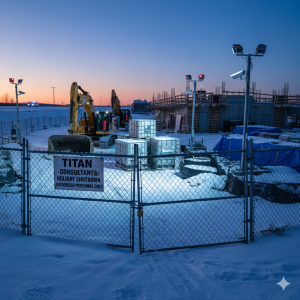
How to secure your job site, control hazards, and ensure a safe restart.
Holiday shutdowns are a regular part of the construction calendar, but an idle job site is never risk-free. With crews away and operations paused, construction areas become more vulnerable to theft, weather damage, en
vironmental issues, and unexpected hazards. A proper shutdown plan protects your assets, maintains compliance, and ensures your team returns to a safe and fully operational site.
Below are the essential safety steps every contractor should take before closing for the holidays and the critical checks needed when restarting work.
1. Theft Prevention During Holiday Breaks
Job sites are prime targets when left unattended. High-value tools, copper, equipment, and fuel can disappear quickly without proper controls.
Secure Tools and Equipment
Lock tools in secure containers, disable ignition systems on machinery, and park heavy equipment in well-lit, visible areas.
Strengthen Access Control
Reinforce fencing, lock all gates, and ensure only designated personnel have access codes or keys. Clear signage alone can deter trespassers.
Use Surveillance and Lighting
Install portable cameras, motion-activated lighting, and alarms that notify designated contacts. Even temporary systems dramatically reduce theft risk.
Coordinate With Local Law Enforcement
Notify police departments of your shutdown schedule. Many jurisdictions increase patrol visibility during holidays.
2. Hazard Control on Idle Construction Sites
Unattended hazards can worsen over time, especially with wind, rain, and changing weather patterns. A site that’s safe today might not be safe two weeks later.
Stabilize Unfinished Areas
Backfill or shore trenches, secure scaffolding, and reinforce partially completed structures to prevent collapse or shifting.
Remove Loose Materials
Clean up debris and strap down lightweight items that could become airborne in storms or high winds.
Protect Open Edges
Ensure guardrails and protective covers are secured. These protections also keep inspectors and early-return personnel safe.
Shut Down Temporary Utilities
Turn off temporary electrical panels, heaters, and generators to reduce fire risk and prevent unauthorized use.
Maintain Environmental Controls
Ensure erosion controls, silt fences, and drainage protections remain intact—especially in areas prone to heavy rain or runoff.
3. Restart Protocols After the Holiday Break
Once crews return, restarting work without proper checks can lead to accidents, delays, or compliance issues. A structured restart protocol ensures a safe and efficient return.
Perform a Full Site Inspection
Safety officers should walk the site, note structural changes, and identify hazards caused by weather or unauthorized access.
Update AHAs and Safety Plans
Reassess risks and revise Activity Hazard Analyses (AHAs) based on current site conditions.
Hold a Restart Safety Meeting
Conduct a toolbox talk to brief workers on all site changes, hazards, and priority tasks.
Inspect Equipment and Utilities
Test machinery, electrical systems, and temporary utilities impacted by weather or inactivity.
Check for Weather-Related Damage
Address issues such as erosion, standing water, ice, or damaged protections before reopening active zones.
Conclusion
A safe holiday shutdown requires more than locking the gate—it demands planning, inspection, and proactive hazard control. By focusing on theft prevention, environmental protection, and structured restart procedures, contractors can avoid costly setbacks and ensure a safe transition back to full operations.
Titan Consultants supports federal, heavy civil, and government construction projects with compliance oversight, field documentation, safety planning, and project management expertise. Whether preparing for seasonal shutdowns or aligning with strict federal requirements, our team is here to help you protect your site and your workforce.