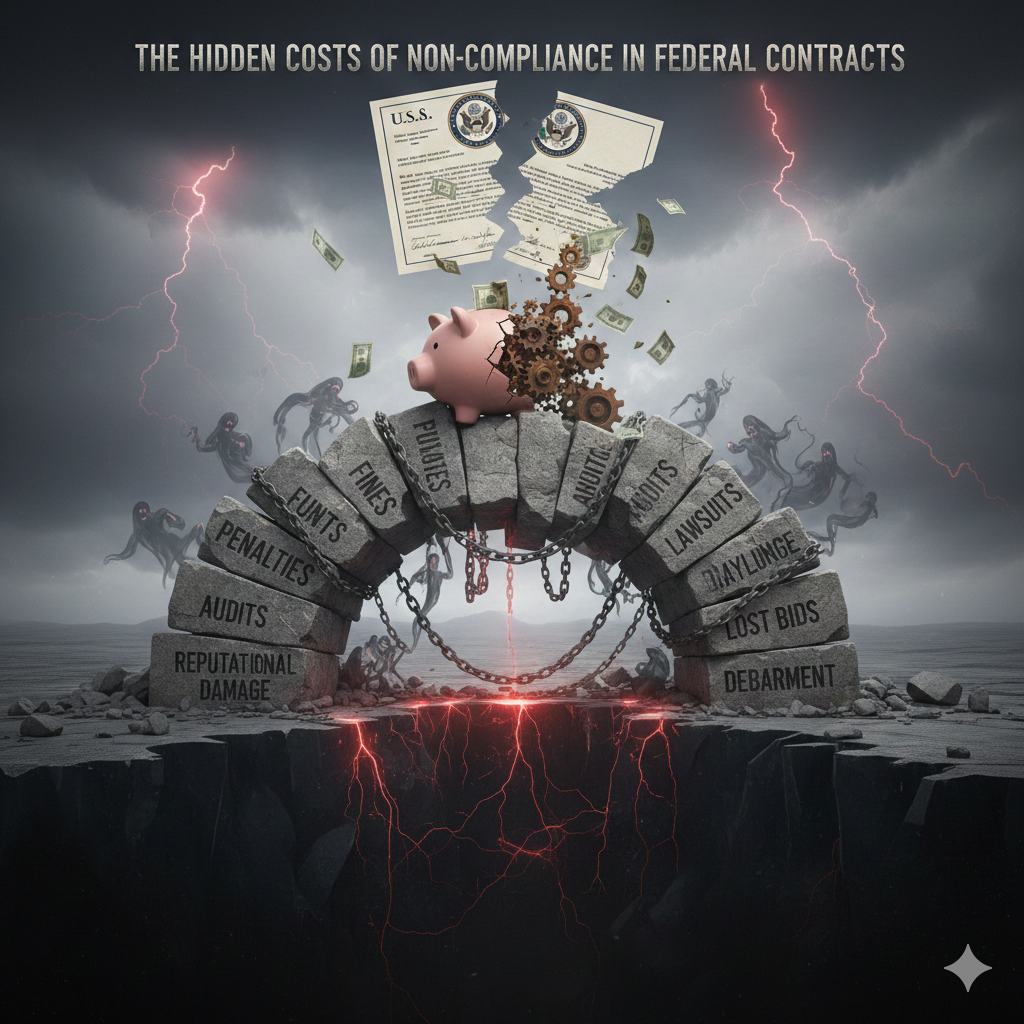
In federal construction projects, compliance isn’t just a legal requirement—it’s a cornerstone of success. While budgets and schedules often take priority, non-compliance with federal safety regulations can create hidden costs that affect finances, timelines, and reputations. Understanding these costs is crucial for contractors working on government-funded projects.
1. Financial Fines and Penalties
Safety violations can lead to hefty fines and escalating penalties, depending on the severity and recurrence of the issue. Beyond fines, companies may face indirect costs such as higher insurance premiums, emergency response expenses, and additional labor or equipment costs while corrective actions are implemented. For federal projects, even minor violations can trigger significant financial impacts.
2. Project Delays and Operational Disruptions
Non-compliance often results in work stoppages, inspections, or remedial work. These interruptions can derail timelines, cause missed deadlines, and even trigger contractual penalties. In federal contracts, delays can impact funding schedules and eligibility for future projects. Prioritizing compliance ensures smoother operations and protects proje
3. Reputational Damage and Contract Eligibility
A company’s reputation is invaluable in federal contracting. Repeated safety violations or non-compliance can tarnish a contractor’s record, reducing chances of securing future contracts. Federal agencies prioritize partners with proven safety culture and compliance history, while private-sector clients also value contractors who meet regulatory standards. Non-compliance can therefore limit long-term business opportunities.
4. Legal Liabilities and Insurance Implications
Non-compliance increases legal exposure, especially if incidents result in injuries, environmental damage, or property loss. Lawsuits and regulatory actions can be costly, while insurance claims may be denied if violations contributed to an incident. This emphasizes the importance of proactive construction risk management and thorough documentation.
5. Hidden Costs to Workforce Morale
Non-compliance also affects employee morale and retention. Workers are more likely to stay with employers who prioritize safety and regulatory adherence. Unsafe work environments or repeated violations can lead to higher turnover, reduced productivity, and lower team engagement. Investing in compliance is also an investment in workforce stability and performance.
6. Preventative Measures: Building a Culture of Compliance
Proactively reducing hidden costs requires a strategic approach:
Training & Certification: Ensure all personnel, including supervisors, are trained in federal safety standards such as EM 385-1-1.
Regular Safety Audits: Conduct internal and third-party audits to identify gaps before regulators do.
On-Site Safety Expertise: Employ Site Safety and Health Officers (SSHO) to monitor compliance daily.
Documentation & Reporting: Maintain thorough records of inspections, corrective actions, and employee training.
Embedding compliance into daily operations helps minimize risk, prevent costly delays, and protect your reputation.
7. Compliance as a Strategic Advantage
Compliance is not just about avoiding penalties—it’s a competitive advantage. Contractors with strong safety records:
Win more federal contracts
Gain higher client trust
Maintain smoother project operations
Reduce long-term costs from incidents or delays
At Titan Consultants, we provide experienced professionals and tailored solutions to help federal contractors meet safety and compliance standards efficiently. From SSHOs to project management support, our team ensures your projects stay on track while minimizing hidden costs.
Conclusion
Non-compliance in federal contracts carries more than just fines—it can disrupt schedules, harm reputations, expose companies to legal risk, and impact employee morale. Companies that invest in a culture of compliance and safety safeguard their projects and position themselves for long-term success in federal contracting. With the right expertise and systems in place, compliance becomes a strategic asset rather than a regulatory burden.