Smart PPE: The Future of Wearable Safety Tech
In today’s evolving construction landscape, safety innovation has become more than just compliance — it’s a culture. As technology continues to advance, Protective Equipment (PPE) is undergoing a remarkable transformation. From smart helmets with built-in sensors to connected vests that track workers’ vital signs, wearable technology is reshaping how we think about safety on-site. Real-time monitoring gear now provides instant data and alerts, helping prevent accidents before they happen. The next generation of Protective Equipment (PPE) goes beyond traditional protection — it empowers teams with insights, connectivity, and proactive safety responses. At Titan Consultants, we’re tracking this evolution closely because the future of safety is bright, connected, and built on innovation that saves lives.
Lorem ipsum dolor sit amet, consectetur adipiscing elit. Ut elit tellus, luctus nec ullamcorper mattis, pulvinar dapibus leo.
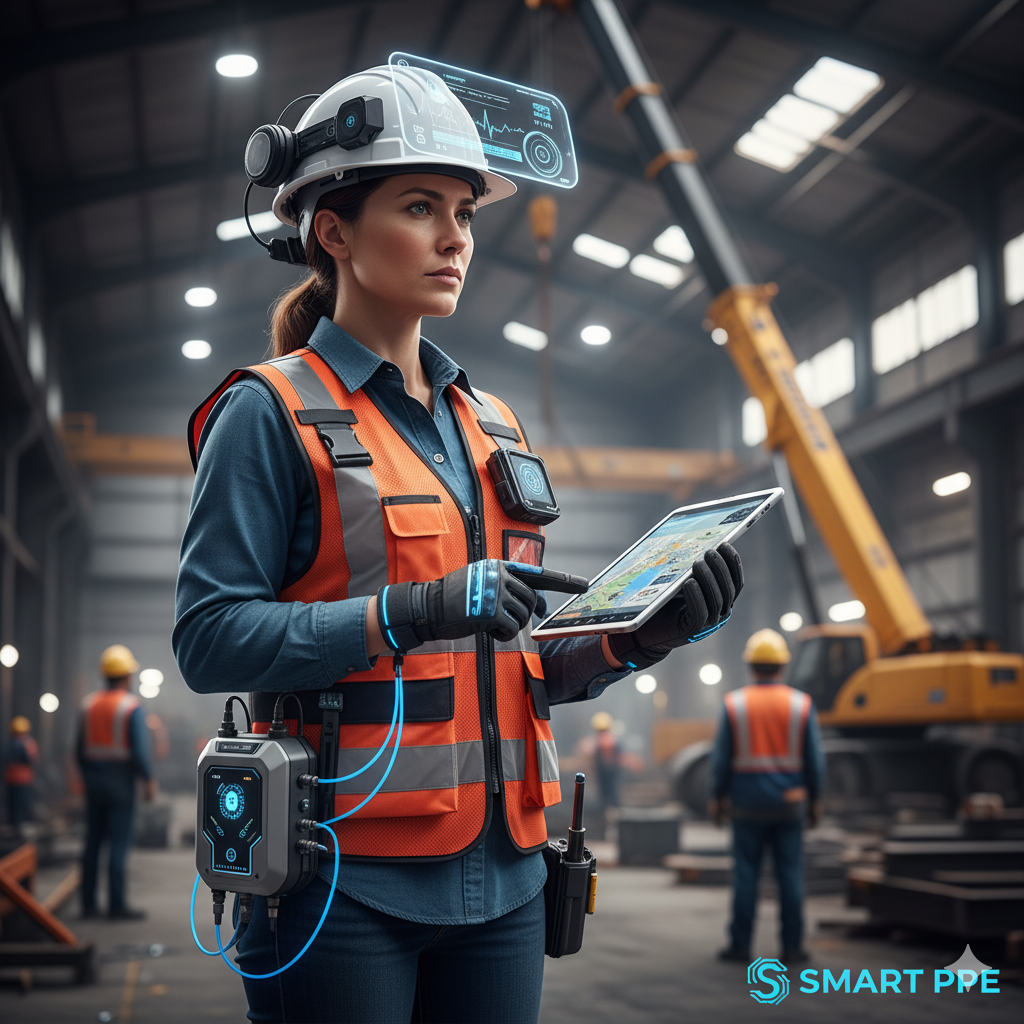
Smart Helmets: More Than Just Head Protection
Traditional helmets are designed to protect workers from impact and debris. But today’s smart helmets are taking protection several steps further.
Equipped with embedded sensors, these helmets can monitor vital signs, including heart rate, body temperature, and fatigue levels. They can also track worker locations using GPS technology and detect environmental hazards such as gas leaks or extreme heat.
For instance, the viAct Smart Helmet integrates AI-powered sensors that monitor fatigue, falls, and environmental exposure, sending real-time alerts to safety managers when unsafe conditions arise. Similarly, Lansitec’s Smart Helmet features fall detection, a panic button, and GPS tracking — all designed to provide a faster response during emergencies.
While these technologies are still gaining mainstream adoption, early deployments show how real-time data can transform safety from reactive to preventive and predictive. In critical moments, these features don’t just save time, they save lives.
Connected Vests: Communication Meets Protection
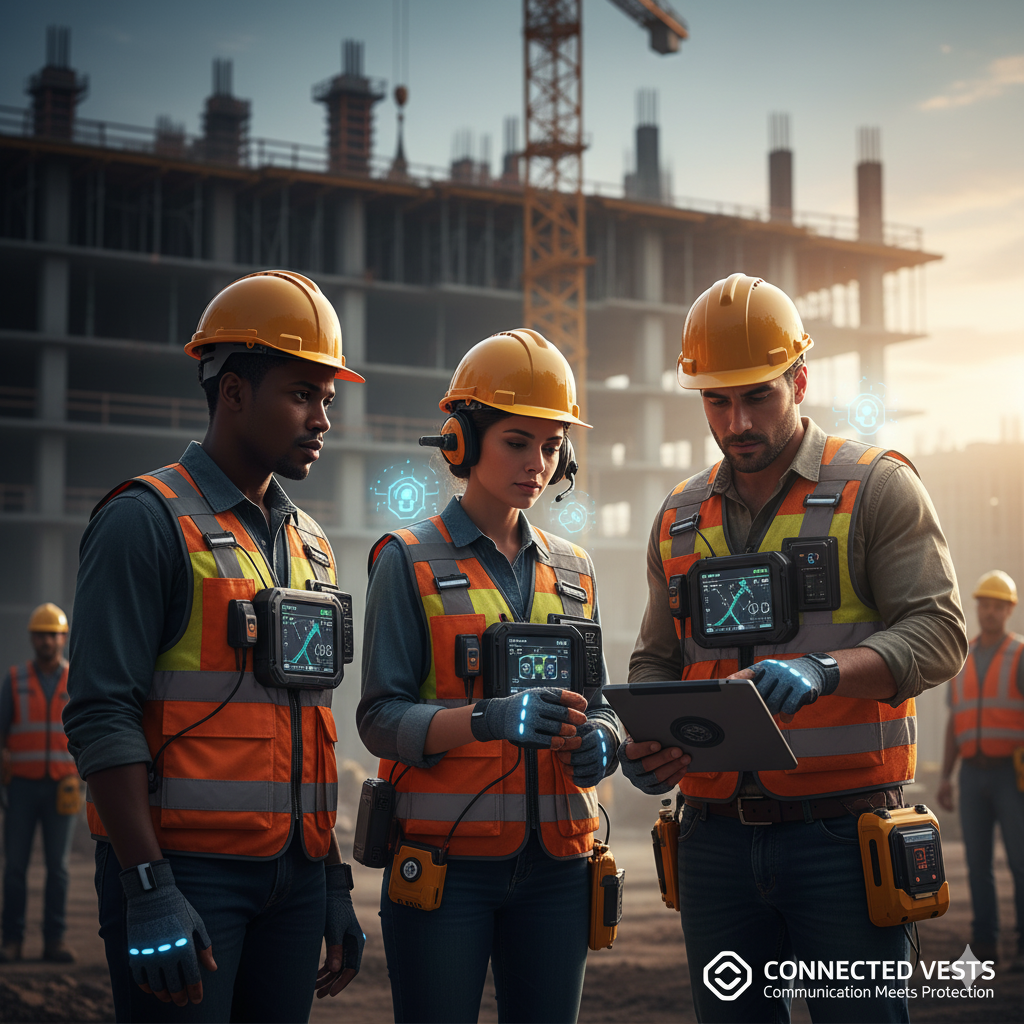
Safety vests have long been a symbol of visibility and compliance. But connected vests are taking that visibility into the digital space.
Using IoT (Internet of Things) technology, modern safety vests can transmit data about worker posture, movement, and proximity to restricted or high-risk zones. Some prototypes even include geo-fencing alerts that notify workers when they approach danger zones or operate too close to heavy machinery.
A recent study on IoT-based Smart Vests for Heat Stress Management (2025) highlighted how wearable vests can monitor body temperature and send early warnings to prevent heat-related incidents — a growing concern on many job sites.
While these vests are still in early adoption stages, they represent a decisive step toward proactive safety management — allowing supervisors to identify risks before incidents occur.
At Titan Consultants, we see this technology as a key advancement for government and heavy construction projects where continuous monitoring and rapid response are critical.
Real-Time Monitoring: The New Standard for Safety
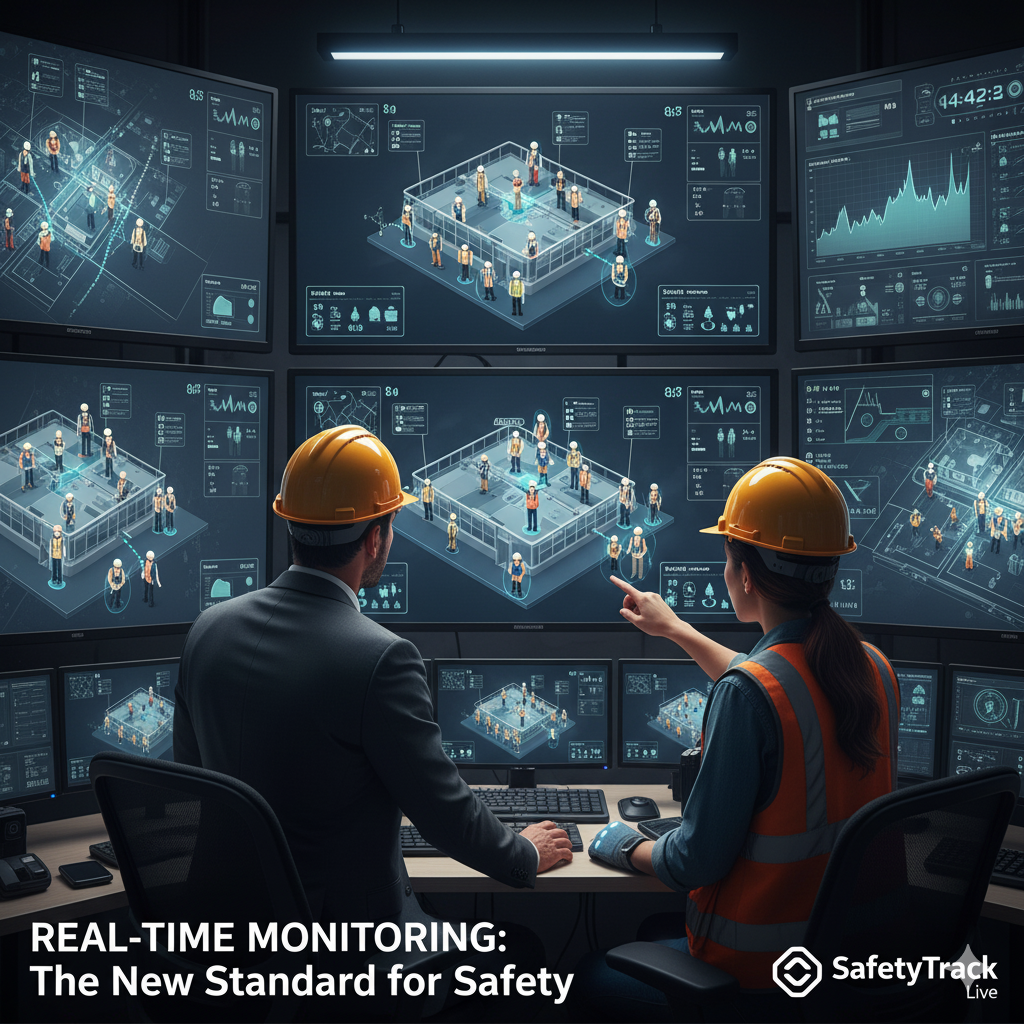
Real-time data collection is quickly becoming the cornerstone of modern safety programs. Through wearable sensors and connected PPE, site managers now gain immediate insight into workforce health, equipment conditions, and environmental safety.
This technology enables teams to:
Monitor heat stress and fatigue levels.
Receive instant alerts for falls, impacts, or environmental exposure.
Track PPE compliance across multiple job sites.
Review analytics to improve long-term safety planning.
Several companies, including Gallagher Bassett and viAct, have reported success stories where real-time wearable monitoring helped reduce accidents and improve compliance across construction o
By combining data analytics with expert oversight, companies can transition from reactive safety protocols to predictive, data-informed strategies that prevent incidents before they happen.
operations.
The Titan Perspective: Technology with Purpose
At Titan Consultants, we believe technology should always serve one purpose — to enhance safety and efficiency for the people who build our world.
Smart PPE isn’t here to replace human judgment or traditional safety practices. Instead, it strengthens them. As these technologies evolve, Titan remains committed to helping clients understand, integrate, and manage emerging innovations that improve workplace safety and ensure compliance with federal and state standards.
Innovation drives progress — but safety drives sustainability. And at Titan, we bring both to every project we support.
Challenges and What’s Next
Despite their potential, innovative PPE technologies face challenges such as cost, data privacy, and integration with existing safety systems. Many companies are piloting these tools before committing to full-scale deployment.
As adoption grows, however, the benefits are undeniable — improved visibility, faster response times, and better decision-making through data. The next generation of PPE will not only protect workers but also predict risks before they happen, creating safer, smarter, and more connected job sites.
Final Thought
As wearable safety technology becomes more accessible, companies that embrace Smart PPE are not just investing in tools — they’re investing in people.
The future of safety is connected, intelligent, and human-centered. Because in the end, the smartest job sites are always the safest ones.